welcome to : TrustyTimeWatch Shop
When it comes to luxury watches, few brands command as much respect and prestige as Rolex. Whether you're an enthusiast, a connoisseur, or simply someone who appreciates fine craftsmanship, the question of whether to choose a Rolex or a factory watch often arises. This article delves into the intricacies of this debate, exploring what sets Rolex apart from other brands and why it remains a top choice for those seeking quality and exclusivity.
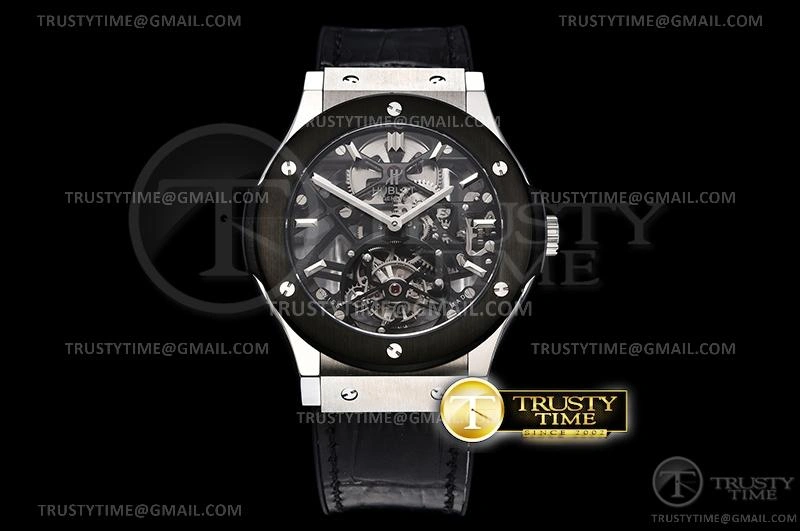
Luxury vs. Mass Production
Luxury watches are synonymous with meticulous craftsmanship, elegant design, and a commitment to exclusivity. Rolex, as a household name in the watch world, exemplifies this philosophy through its use of top-tier materials, precise movements, and timeless designs. In contrast, factory watches—offered by brands like Casio or Timex—are mass-produced items designed for affordability and convenience rather than luxury.
While both options cater to different needs and budgets, the distinction between Rolex and factory watches lies in their intended purpose. Rolex watches are crafted with precision and care, often featuring intricate detailing, rare materials, and a reputation for durability that spans decades. On the other hand, factory watches prioritize cost-effectiveness over aesthetics, making them ideal for everyday wear or casual occasions.
Build Quality and Craftsmanship
Clocks watch build quality is often where Rolex distinguishes itself from other brands. Rolex watches are assembled in-house by skilled craftspeople who adhere to strict quality control standards. Each component—from the movement to the dial—is meticulously inspected before being sold, ensuring that every piece meets Rolex's high standards of craftsmanship.
Factory watches, however, bypass this level of oversight. They are typically built on assembly lines with standardized processes, resulting in a product that may not hold up as well over time or meet the same rigorous quality expectations. While factory watches can be more affordable initially, they often come at a cost to quality and durability.
Movement and Precision
The movement of a watch is perhaps one of the most critical factors in determining its value and desirability. Rolex movements are renowned for their precision, accuracy, and reliability. The brand's signature "R" caliber, introduced decades ago, has become synonymous with excellence in horology. These movements are built to last, powered by precise quartz or automatic mechanisms, ensuring that time is kept with remarkable accuracy.
Factory watches often rely on simpler or less advanced technologies. While they may offer comparable functionality at a lower cost, the quality of their movements and components tends to fall short of what Rolex offers. This discrepancy can affect the watch's overall performance over time, particularly in terms of accuracy and longevity.
Credibility and Authentication
Another key difference between Rolex watches and factory watches lies in their credibility and authenticity. Rolex is one of the most trusted names in the watch industry, with a proven track record of producing high-quality goods for over 80 years. The brand's commitment to craftsmanship and innovation has established it as a leader in the luxury watch market.
Factory watches, on the other hand, may be produced by lesser-known brands or even household-name brands that prioritize affordability over quality. This can lead to confusion about the origin and value of these products. A factory watch may not carry the Rolex "R" logo, indicating its lower tier in terms of craftsmanship and exclusivity.
Value for Money
While Rolex watches are undoubtedly more expensive than their factory counterparts, they also offer a significantly higher return on investment. The cost difference between a high-end Rolex watch and an equivalent factory model can be substantial, but the value proposition for the former far exceeds that of the latter.
Rolex watches not only serve as timepieces but also represent a statement of wealth and style. They are often passed down through families or gifted as tokens of appreciation, reflecting their status as an investment in one's lifestyle and tastes. Factory watches, while practical for everyday use, lack this exclusivity and prestige.
Conclusion
The debate between Rolex and factory watches boils down to individual preferences and priorities. For those who value quality, craftsmanship, and exclusivity, a Rolex watch is undoubtedly the better choice. Its intricate design, precise movement, and reputation for durability make it a timeless investment that continues to appreciate in value.
On the other hand, if functionality and affordability are your primary concerns, factory watches may be more suitable. However, you should always prioritize authenticity when considering these options to ensure you're purchasing a product that meets your expectations both in terms of performance and desirability.
In conclusion, whether to choose a Rolex or a factory watch depends on your personal priorities—be it luxury, craftsmanship, or practicality. As the demand for high-quality timepieces continues to grow, understanding these differences will help you make an informed decision that aligns with your lifestyle and values.
```tags:yellow gold submariner black dial,,white dial brown strap watch,,watches on jubilee bracelet,,white dial leather strap watch,,you watches,,watches black dial,



Keywords: news,trustytimewatch.shop,TrustyTime Watch Shop